Language Learning Landing Page Templates: Build Global Brands
If you are launching a new tutoring service, a mobile app, or an educational course, your first impression is almost always digital. You need a design asset that communicates clarity and professionalism immediately. That is exactly why having robust Language Learning Landing Page Templates in your toolkit is a game-changer. These templates provide the structural foundation you need to present educational content in a way that feels accessible and modern, saving you hours of coding and layout struggles while ensuring your message lands perfectly with your audience.
The Anatomy of a High-Converting Educational Template
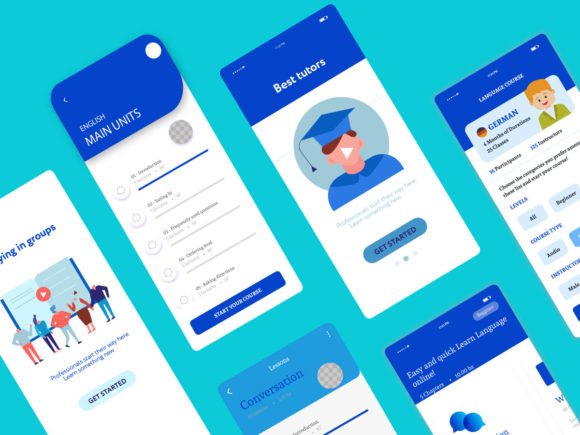
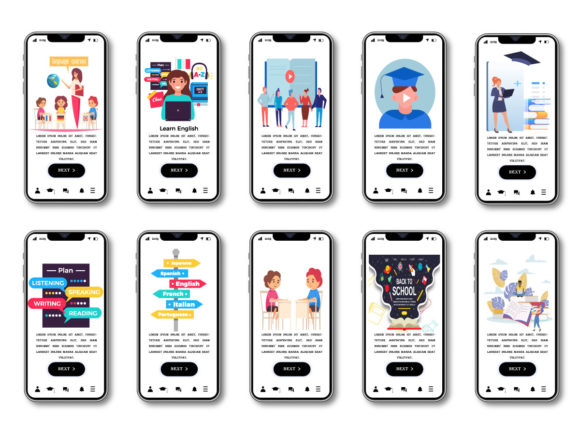
Unlike generic marketing templates, designs tailored for the education sector require a specific visual personality. A well-crafted Language Learning Landing Page Template focuses heavily on user experience (UX) and readability. You will typically notice generous white space, which prevents cognitive overload for students browsing on mobile devices. The visual hierarchy is usually designed to guide the eye from a compelling headline to key features, and finally to a clear call-to-action (CTA).
Visually, these templates often lean toward modern typography and clean aesthetics. They avoid clutter, focusing instead on high-quality imagery and intuitive navigation. The appeal lies in their versatility; they act as a blank canvas that is already optimized for conversion. Whether you are selling a semester-long course or a one-off e-book, the structure supports your brand identity by prioritizing the content. It is about creating a digital environment where learning feels inviting, not intimidating.
Why Vector Assets Are Your Best Friend
One of the most critical aspects of working with these design assets is the file quality. You should never settle for flattened images. When you acquire professional templates, ensure you are getting Full Vector files. This is where the specifications of your Logo Specification matter immensely. You want assets that are scalable without losing quality—specifically SVG & EPS formats.
Why does this matter for your web design project? Imagine you need to scale a logo or a background graphic from a mobile screen to a 4K monitor. Rasterized images (like JPGs) will pixelate and look unprofessional. Vector files, however, are mathematically defined, meaning they stay crisp at any size. Furthermore, having High Resolution files and text that is Ready to Change allows you to adapt the template to any language or dialect without re-creating the graphic from scratch. This flexibility is vital for global branding.
Practical Integration: Fonts, Pairing, and Workflow
A template is only as good as the typeface you pair with it. For a language learning context, legibility is king. You generally want to avoid overly decorative script fonts or handwritten fonts for body copy, as they can be difficult for non-native speakers to parse. Instead, look for a clean sans serif font for the UI elements and a sturdy serif font for long-form reading if the context is academic.
When evaluating your project fit, test your font pairing inside the template structure before committing. Does the heading font clash with the template's existing geometry? Does the line-height of the body text breathe well within the columns? A good premium font will have multiple weights (light, regular, bold) that help you create visual hierarchy without changing the font family. This consistency is what separates amateur designs from professional editorial design.
Maximizing Your ZIP File: A Workflow Guide
When you download these assets, you will typically receive a compressed package. Knowing how to handle the Included Files is crucial for a smooth workflow. Here is how to get the most out of your download:
- Locate the EPS Files: These are the workhorses. An EPS file is Compatible with Adobe Illustrator, but also works in Affinity Designer or CorelDRAW. This is your master file for editing shapes.
- Customize Colors: Because the files are 100% Vector, you can easily resize and change colors of every single shape. This allows you to match the template to your specific brand palette in seconds.
- Combine Elements: Don't be afraid to mix and match. You can combine different elements from various templates to create unique illustrations. Maybe you like the header from one layout but the pricing table from another—vector editing makes this seamless.
- Check Licensing: Always review the commercial licensing terms. Most professional assets allow for commercial use, but it is your responsibility to ensure your specific usage (e.g., in a logo design or on merchandise) is covered.
Applications Beyond the Classroom
While these are built as Language Learning Landing Page Templates, their utility extends far beyond education. The clean layouts are perfect for small business owners in the SaaS space, marketers launching newsletter signups, or bloggers creating resource libraries. The emphasis on clarity and structure makes them excellent for packaging design mockups or social media graphics where information needs to be digested quickly.
For entrepreneurs and hobbyists alike, having access to Easy to edit & customize files means you can maintain a high level of professionalism across all touchpoints. Whether you are creating a digital download for Etsy or a landing page for a corporate client, the principles remain the same: clear hierarchy, readable text, and consistent branding. By leveraging these high-quality templates, you ensure that your visual communication is as articulate as the content you are teaching.